
Why independent advice matters
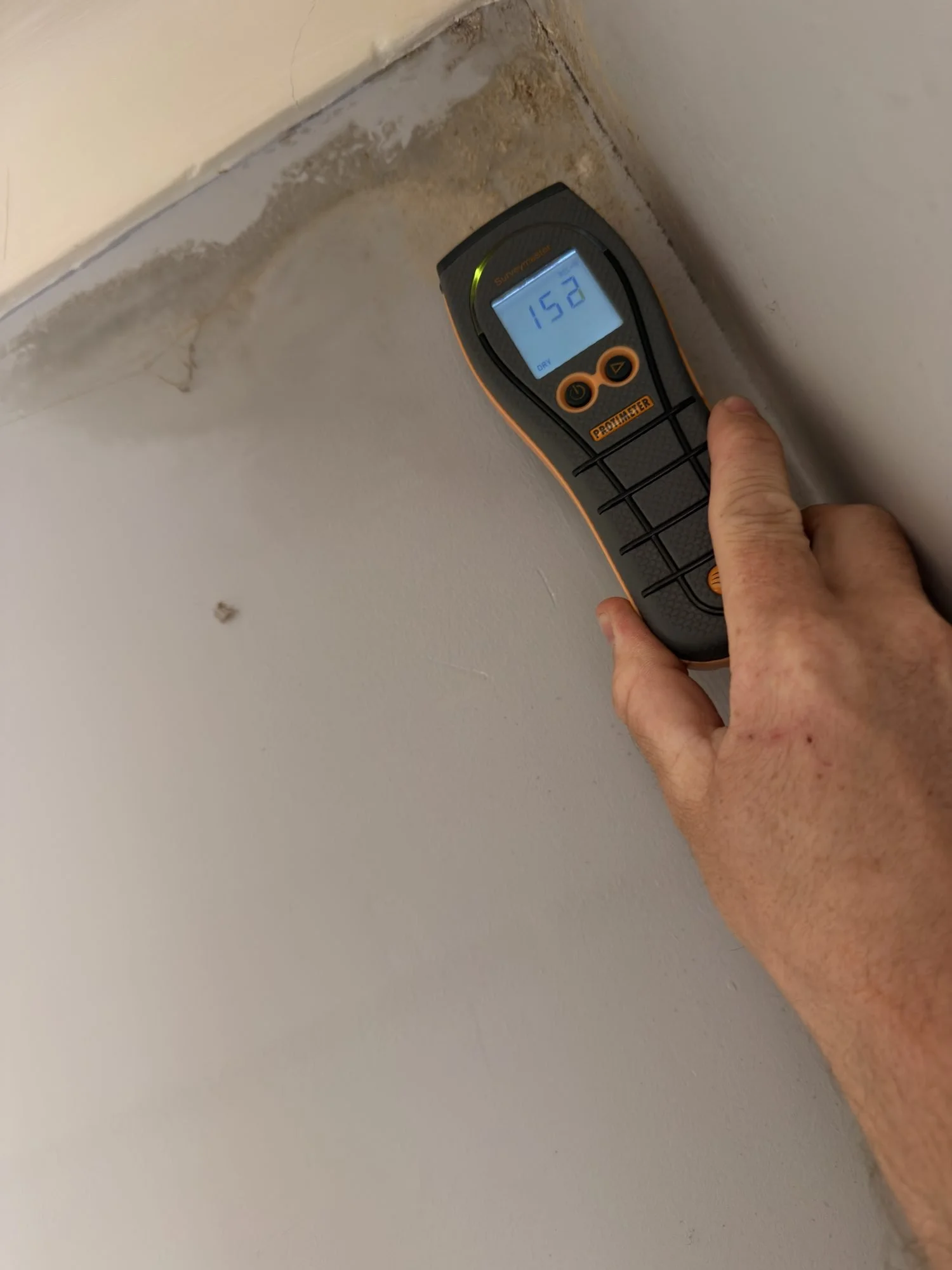
Damp is one of the most misdiagnosed problems in old and ordinary buildings, and one of the most expensive to get wrong. When the person surveying your property is also the person selling the fix, the advice can only ever point one way.
A free survey isn’t really free
Many damp-proofing companies offer a free survey. The cost is usually recovered through the treatment they then recommend. That doesn’t mean every firm behaves badly, but the incentive is built in: no treatment means no job. I sell no treatments and earn nothing from the work I recommend, so the only thing I’m paid for is the right answer.
Treating symptoms, not causes
Damp always has a cause: a leaking pipe, a failed gutter, a blocked air brick, ground built up against a wall, or condensation from cold surfaces and moisture made indoors. A remedy sold before the cause is found can cost thousands and fix nothing. Find the cause first, and the right fix is often smaller, cheaper and longer-lasting than anyone expected.
Case study: a damp patch in Poole
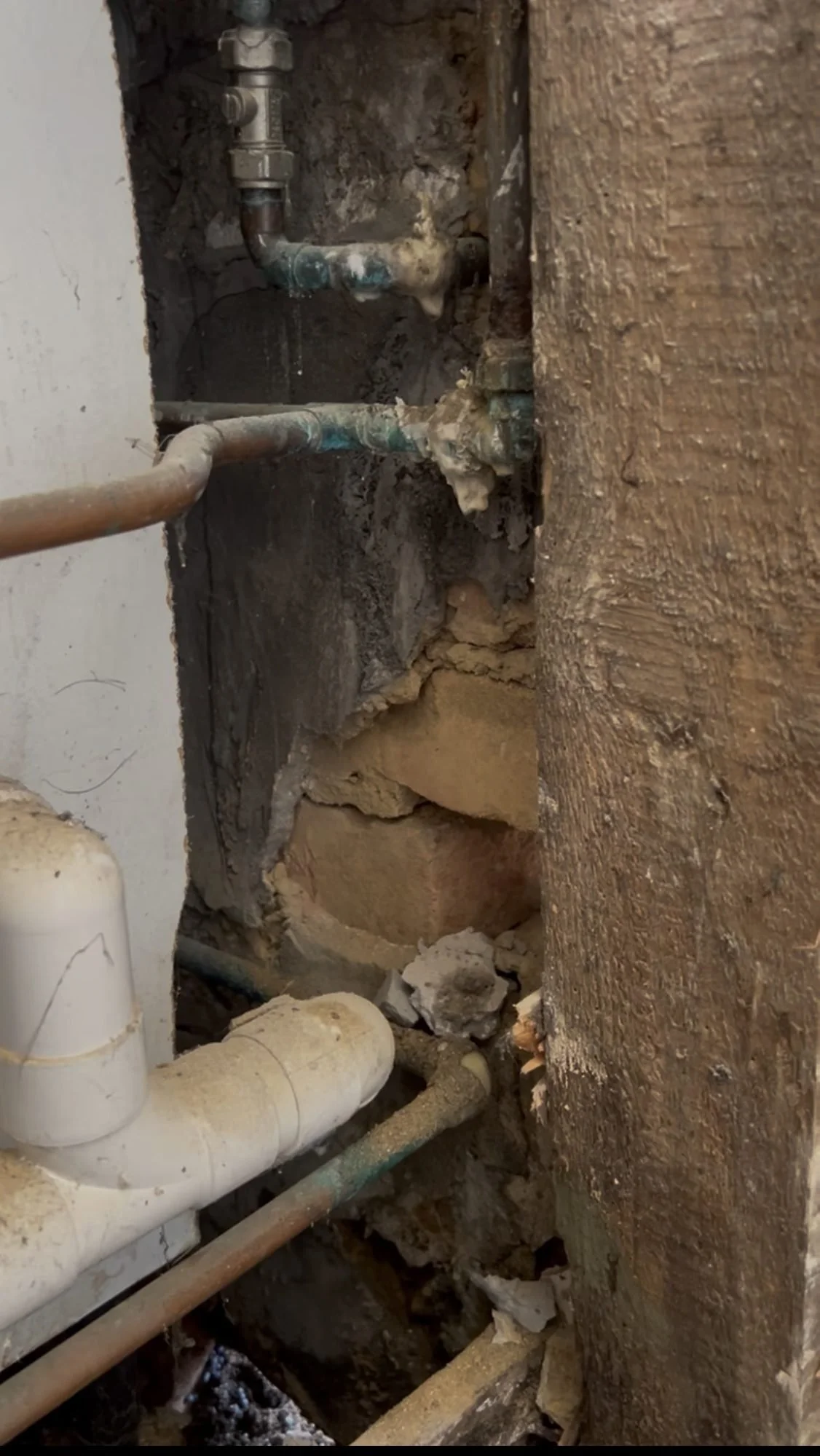
A homeowner in Poole had a persistent damp patch on an internal wall. A damp-proofing firm quoted around £5,000 to treat it. A thermal camera survey showed the real cause: a leaking pipe. The right fix was to deal with the pipe, strip the plaster back to brick, let the wall dry out, replace the wooden sill and prop the wall. The money went on the actual problem, not on a treatment for a symptom.
Case study: condensation at a bay window
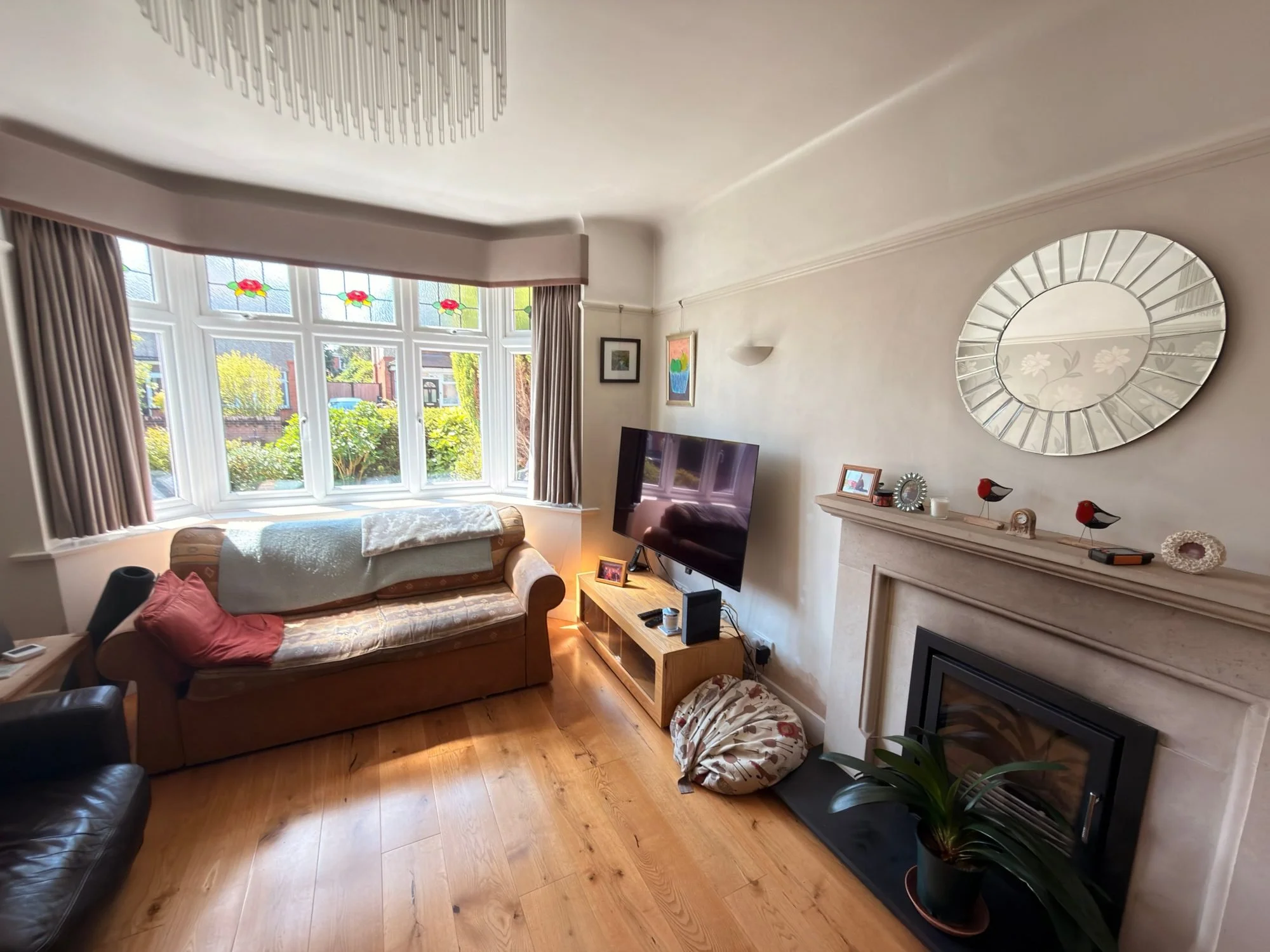
Another homeowner was quoted to tank the lounge and part of the hallway after damp appeared around a bay window. It turned out to be condensation. My advice was to move the sofa away from the wall, run a dehumidifier and turn the heating up, which saved roughly £3,500. Damp can’t always be stopped completely, only reduced and managed, so the aim is to understand the risks and decide from there. Details have been changed to protect the homeowners.
Paying for advice, and why it puts you in control
A free survey usually ends in a quote, and a quote only prices the job the person quoting thinks is needed. If you don’t yet know what is wrong, you can’t tell whether that is the right job, and you can’t compare quotes like for like, because each one may be pricing a different problem.
When you pay for independent advice, you know what the problem is before you spend anything on a fix. You get the likely causes, how serious each one is, and a prioritised list of what to do. Estimated costs and a schedule of works can be added to a targeted inspection or partial survey, and a full building survey includes them. You decide what happens next and who does it, and you can take the report to any builder.
It can save you money in two ways. You don’t pay for work you didn’t need, as in the two cases above. And some of the jobs on the list are simple enough for a handy homeowner to do themselves, such as taking out a few bricks to clear debris from a cavity, taking render off an area and lime-washing it, moving furniture away from a cold wall, running a dehumidifier, or clearing a blocked gutter or air brick. How much you take on depends on your skill, and I’ll say in the report which jobs are realistic to do yourself and which need a professional.
Some work should never be a DIY job: structural repairs, anything involving gas or electrics, work at height, and anything that could disturb asbestos. Homes built or refurbished before 2000 can contain asbestos in things like textured ceiling coatings and old floor tiles. Don’t drill, sand or scrape them; get them checked first.
Need a second opinion?
If you have been quoted for damp work, or you are about to commission it, get an opinion from someone with nothing to sell you. Call 07421 996581, email Harry@alderbuildingconsultants.co.uk or use the contact page.
Buying an older house? Read why I don’t do Level 3 surveys.